
Property Legal Checklist in the Balearic Islands: What to Verify Before Buying (2026 Guide)
A practical legal guide for international buyers in Mallorca and the Balearic Islands
Buying property in the Balearic Islands, whether in Mallorca, Ibiza or Menorca, can be a straightforward and rewarding process if everything is properly verified from the beginning.
However, many international buyers overlook key legal aspects that can later lead to delays, unexpected costs, or even serious legal risks.
This checklist covers the essential legal points you should review before committing to a purchase, helping you make informed decisions and avoid common pitfalls.
1. Verify ownership and charges (Nota Simple)
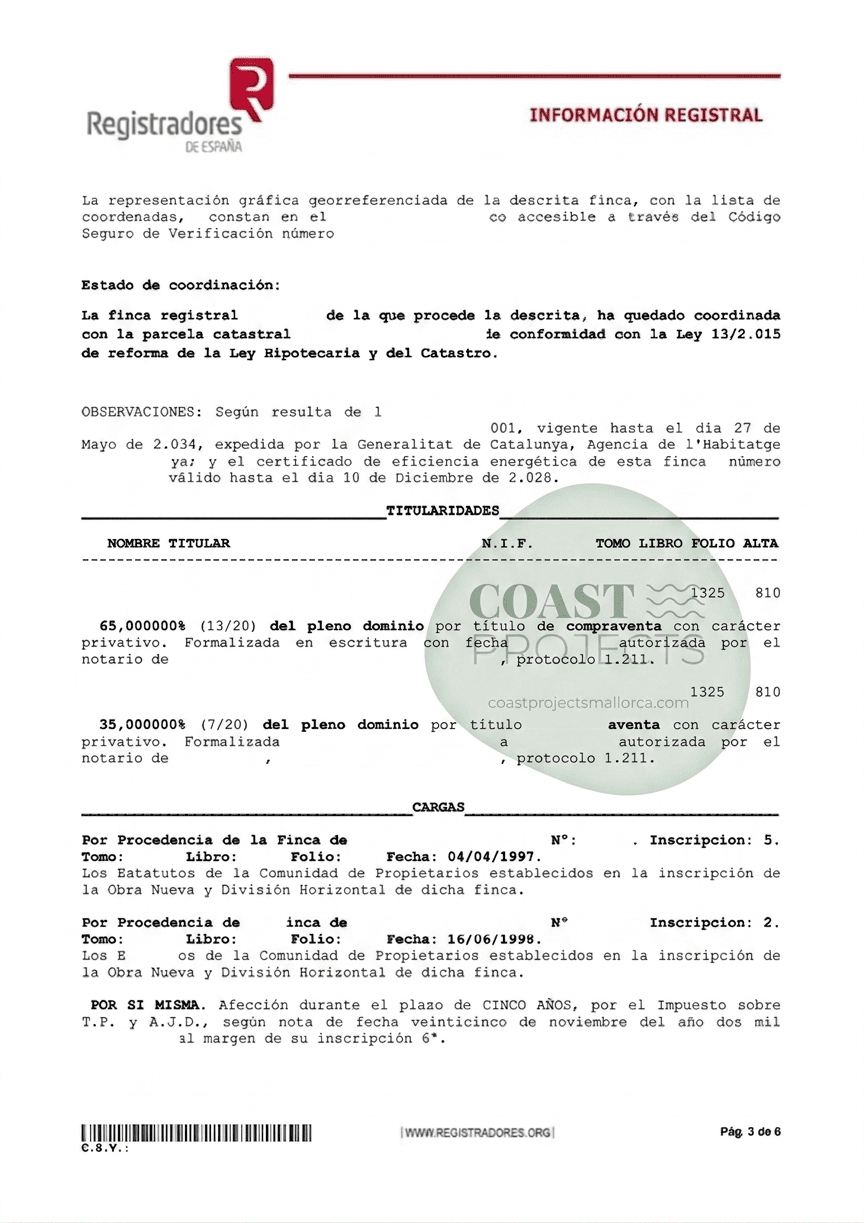
Before moving forward with any property, the first step is to confirm that the seller is the legal owner and has the right to sell.
This is done through a nota simple from the Land Registry, which provides key information about the property, including:
Ownership details
Existing mortgages
Charges or embargoes
Easements or rights affecting the property
Failing to review this document can expose you to hidden liabilities.
What is a “nota simple” in Spain and why is it important?
A nota simple is an official extract from the Spanish Land Registry that shows the legal status of a property. It is essential to verify ownership and detect any debts or legal issues before buying.
2. Urban planning and legal status
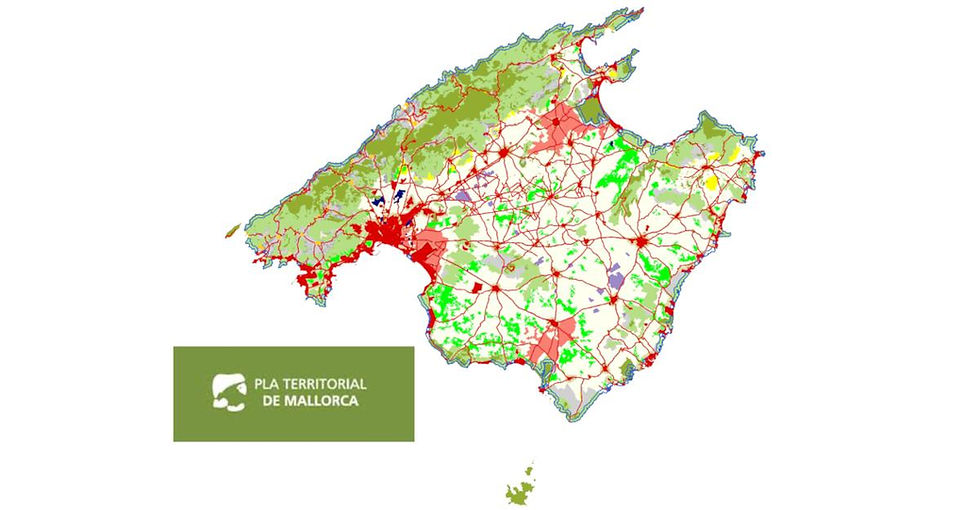
In the Balearic Islands, urban planning compliance is one of the most critical aspects of a property purchase.
You should verify:
That the property is correctly registered and matches reality
Whether all constructions are legally authorised
If any part of the property is in a “fuera de ordenación” situation
Applicable planning regulations and limitations
This is particularly relevant for rustic land and older properties, where irregularities are more common.
3. Building licences and renovation legality
If the property has been renovated — or if you plan to carry out works — it is essential to assess the legal situation from both a past and future perspective.
Were previous works carried out with the required licences?
Are there any pending legalisation issues?
What type of renovation is permitted under current regulations?
Do I need a licence to renovate a property in Mallorca?
Yes, most renovation works require a building licence. The type of licence depends on the scope of the works, and proceeding without one can lead to fines or legal complications.
4. Taxes and costs (very important)
Understanding the full cost of purchasing a property is key to avoiding surprises.
In the Balearic Islands, the main costs typically include:
Transfer Tax (ITP), generally around 10% for resale properties
Notary fees
Land Registry fees
Legal fees
What taxes do I pay when buying property in the Balearic Islands?
For resale properties, buyers usually pay Transfer Tax (ITP). For new developments, VAT (IVA) and stamp duty may apply instead.
5. Mortgage and financial checks
If you require financing, it is advisable to address this early in the process.
Key aspects to consider:
Mortgage pre-approval
Bank valuation of the property
Financing conditions and timelines
Delays or issues with financing can affect the transaction, especially once a deposit contract has been signed.
6. NIE and legal representation
Foreign buyers must obtain an NIE (Número de Identidad de Extranjero) before completing the purchase.
Additionally, many international clients choose to grant a Power of Attorney to a lawyer, allowing the entire process to be handled remotely.

Do I need an NIE to buy property in Spain?
Yes, the NIE is mandatory for any property purchase in Spain, as it is required for tax and legal purposes.
7. Deposit contract (arras)
Before completion, buyers typically sign a private deposit contract (contrato de arras), which secures the transaction.
It is essential to understand:
The type of arras agreed
Payment conditions
Deadlines and obligations
Consequences of withdrawal
Can I withdraw from a deposit contract in Spain?
It depends on the type of arras. In many cases, the buyer may lose the deposit if they withdraw, or the seller may have to return double if they fail to complete.
8. Hidden risks buyers often miss
Beyond the standard checks, there are additional risks that are frequently missed:
Illegal extensions or unregistered constructions
Outstanding community debts
Utility or infrastructure issues
Limitations on rustic land
Discrepancies between registry and cadastral data
Identifying these risks early is essential to avoid complications after purchase.
Frequently Asked Questions about Buying Property in the Balearic Islands
Can I buy property in Spain without being a resident?
Yes, non-residents can freely purchase property in Spain. However, additional tax obligations may apply.
How long does it take to buy a property in Mallorca?
On average, the process takes between 4 and 8 weeks, depending on due diligence, financing, and negotiations.
Do I need a lawyer to buy property in Spain?
It is not legally mandatory, but highly recommended to ensure all legal aspects are properly reviewed and to avoid risks.
Conclusión
Buying property in the Balearic Islands is not just about finding the right home, it is about ensuring that the legal structure behind it is solid and secure.
A proper legal review before signing any document can save you time, money and significant stress.
If you are considering purchasing a property in Mallorca or the Balearic Islands, at Coast Projects we can assist you throughout the entire process, from legal due diligence to completion, ensuring everything is handled safely and efficiently.


Comments